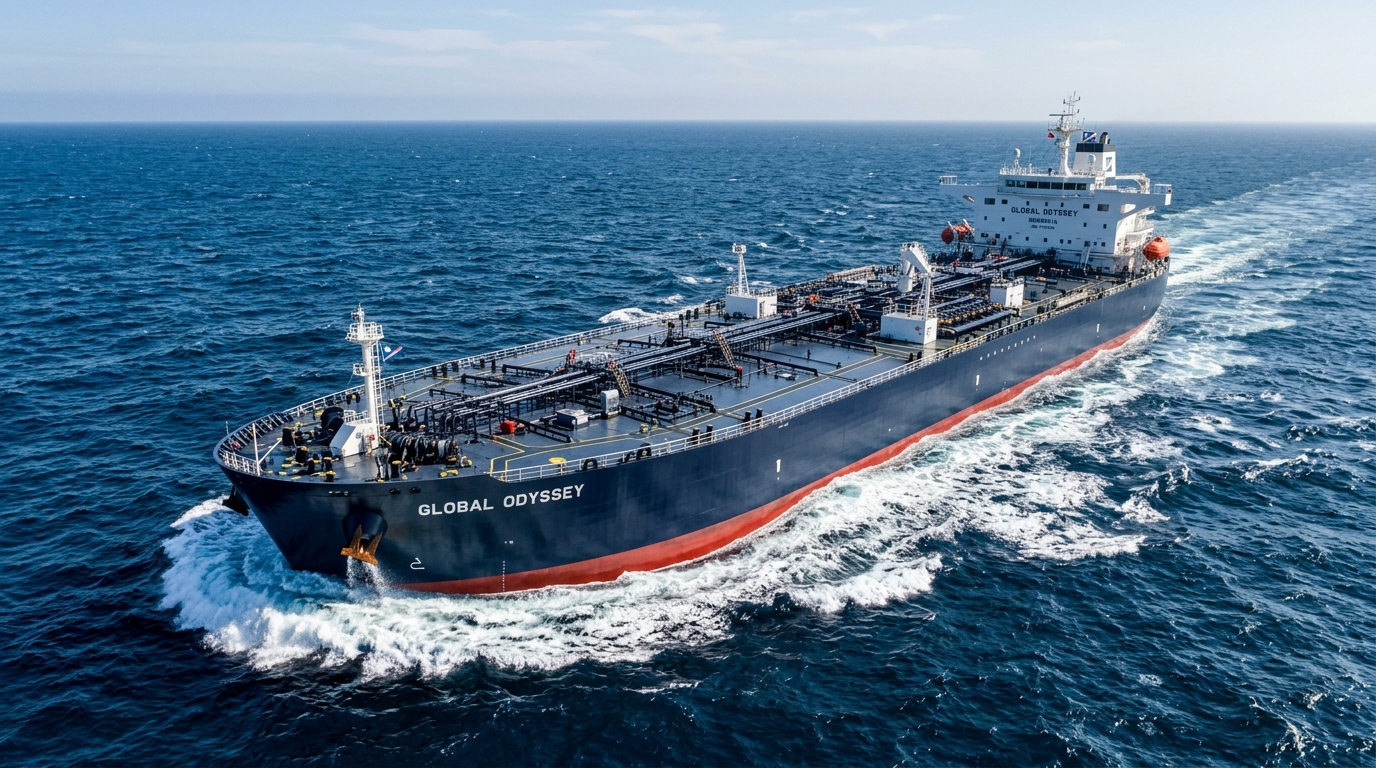
Logistics
Safe, reliable and fully documented delivery.
Transport
Four modes of transport.
Inland barge
The principal mode of delivery. Tank barges of 1,000 to 3,000 tonnes carry product from the ARA terminals along the Rhine and connecting waterways into the Netherlands, Belgium, Germany and Switzerland.
Coastal and short-sea tankers
Larger parcels for destinations around the North Sea and the Baltic are carried by product tankers chartered from established owners, subject to vessel vetting.
Bunker barge
Marine gasoil and VLSFO delivered alongside vessels at anchor or at berth in the ARA ports by licensed bunker barge operators.
Road
Collection from terminal loading racks by ADR-licensed hauliers, for customers requiring smaller and more frequent deliveries.
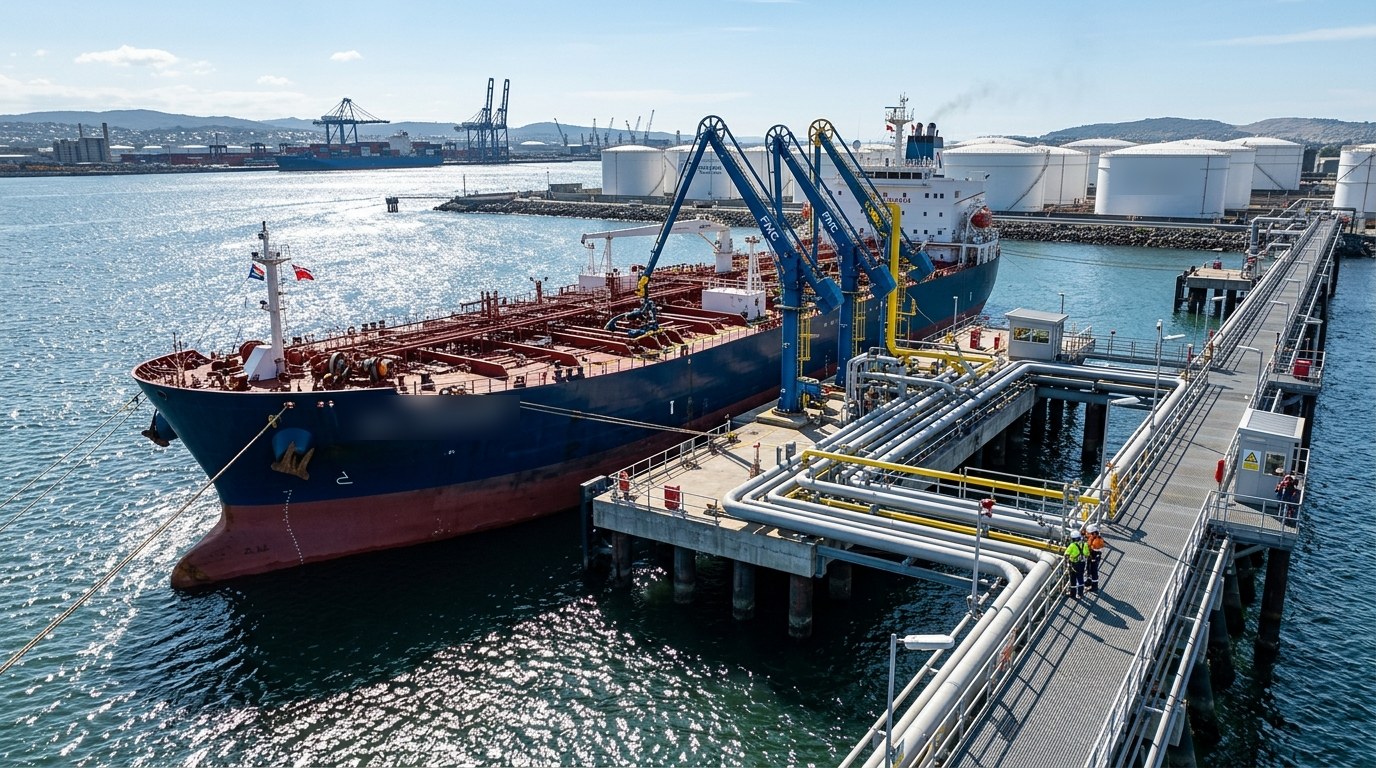
Every movement
Five steps, the same every time.
-
01
Plan
The delivery window, quantity and quality are agreed with the customer, and the route and vessel are selected with due regard to water levels and lock schedules.
-
02
Nominate
The vessel is nominated to the terminal, a loading slot is confirmed and an independent inspector is appointed. Nomination details are provided to the customer in writing.
-
03
Load and inspect
The inspector gauges the shore tank, samples the product and confirms the vessel's tanks are clean and dry prior to loading. Quantity and quality reports are shared with the customer.
-
04
Track
Each movement is monitored through to arrival. Customers are notified promptly of any delay arising from lock congestion, low water, weather or berth availability.
-
05
Deliver and document
Product is measured on discharge and any variance is reconciled. Transport, excise and, where applicable, sustainability documentation is issued without delay.
Vetting
Every vessel is vetted before nomination.
Prior to nomination, each vessel and barge is assessed on the basis of its most recent industry inspection report, its ownership and sanctions history, and its incident record. Hauliers are required to hold valid ADR licences, and drivers must be trained in terminal loading procedures.
Vessels that do not meet these standards are not used, even where this results in a later or more costly delivery. In such cases, the customer is informed and offered the most suitable alternative.
Arrange transport.
Please provide the origin, destination and required timing. Our operations team will respond with a proposed route, transit time and price.